
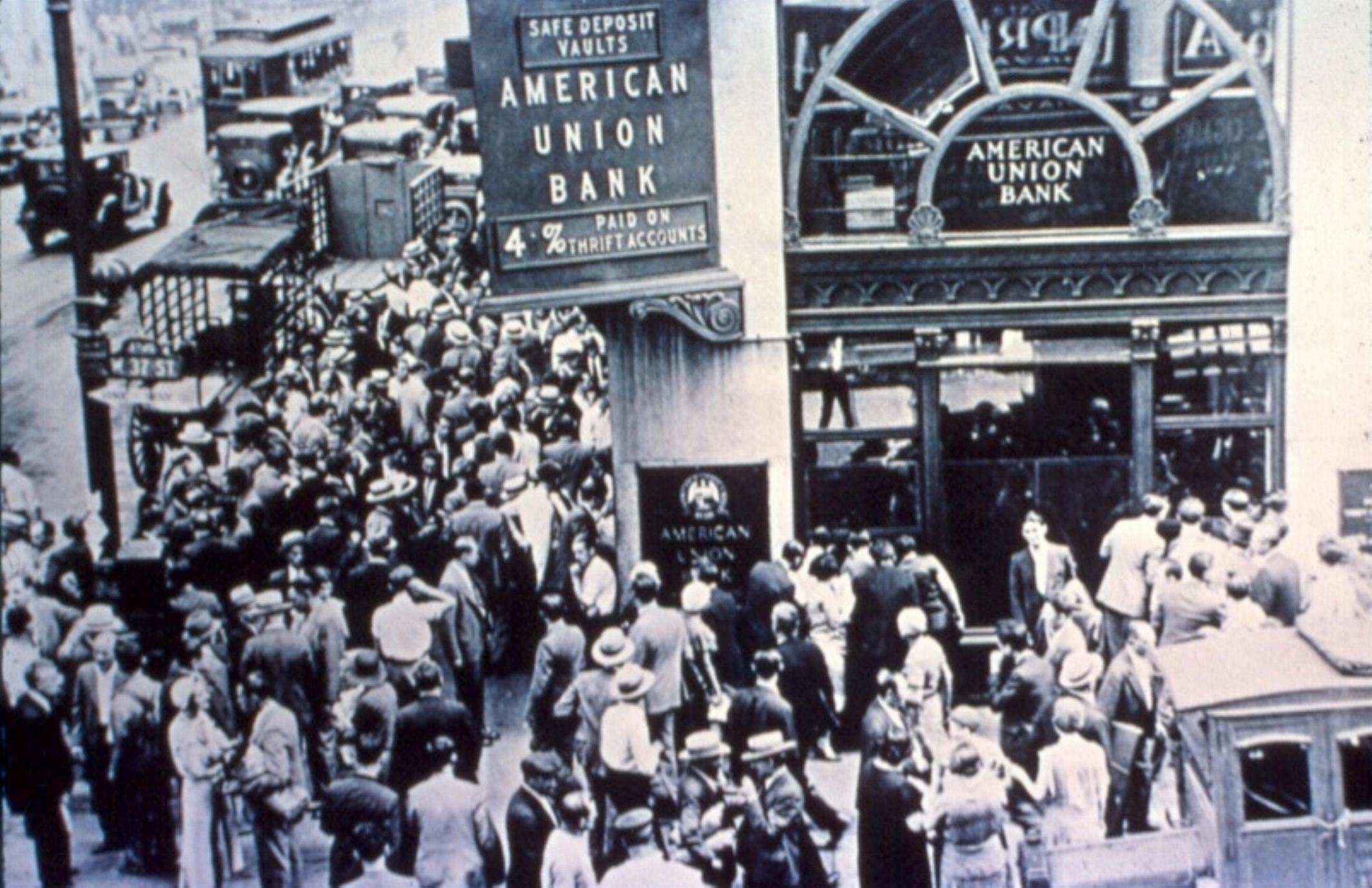
The spread between the state interest rate and the mean, US-wide interest rate measures the fortitude of the underlying economic fundamentals of the state. Indeed, there is a positive correlation between the number of bank failures and the prevalence of economic shocks, which lends validity to the asymmetric information theory, which postulates that the factual basis asserting the manifestation of the nature and the causes of bank failures in a fundamental informational asymmetry between banks and depositors which procures the inability of borrowers in identifying the particular banks experiencing insolvency, which, in turn, results in a run-on solvent banks as well, while the bank managers are fully aware of the degree of solvency of their banks, hence constituting an informational asymmetry. As a result, such asymmetries also played a major role in inciting the banking crisis of the 1920’s in the United States. The reason for which such shocks to the underlying depositor confidence did not exist in Canada is due, in large part, to more adequate regulatory oversight of the banks as deposit insurance would not be established until 1967.
 1914-1929