
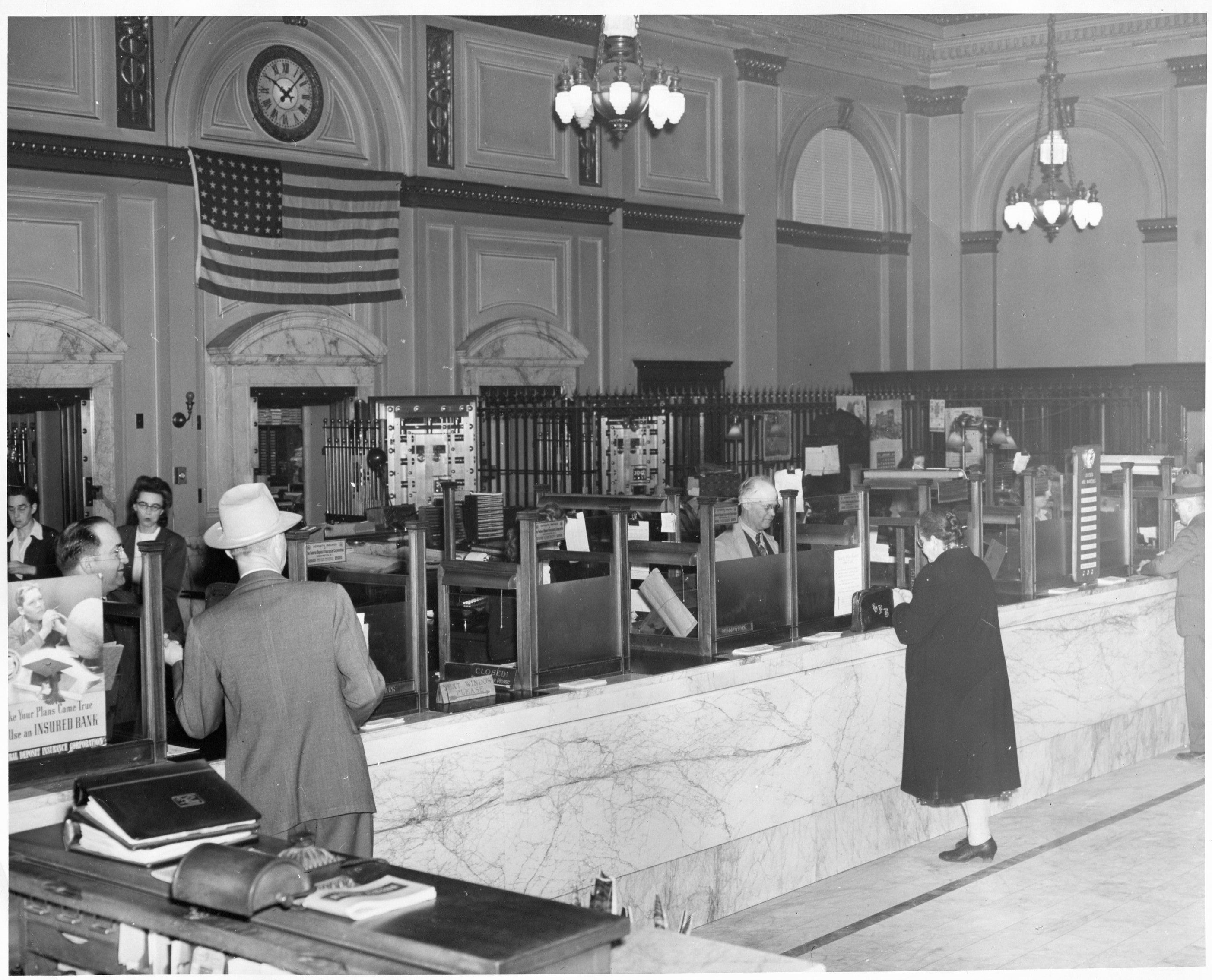
An acute degree of overbanking which describes the superfluous granting of charters to banks was present during this era, which results in the formulation of too much competition in the banking sector, signifying too extensive a degree of competition for depositor funds, which results in banks offering higher interest rates for depositors which they can only afford by issuing more risky loans due to the fact that they have the highest rates, thereby resulting in a tremendous augmentation of risk on bank balance sheets which would, indubitably, result in the deterioration of the financial system. In Canada, however, high capital requirements formulated high barriers to entry for prospective bankers and when supplemented with the CBA’s vested interests, the latter being to the detriment of the fortitude of the Canadian financial system, this resulted in Canada having a far lower bank density and rendered it void from an overbanking crisis. A binding function of the catalysts proliferating overbanking in the financial sector and state deposit insurance, although having diminished the prevalence of bank failures as a whole, contributed to an increase in bank failures due to inadequate managerial practices of the owners of banks. Overbanking seems to have played the most integral role in the demise of US financial institutions at the time as the FDIC’s research suggests that a staggering positive correlation exists between bank density and the prevalence of bank failures and a negative correlation between the value of bank assets per bank and the prevalence of these failures.
 1914-1929